9 Jun 2022 · sven@coursy.io
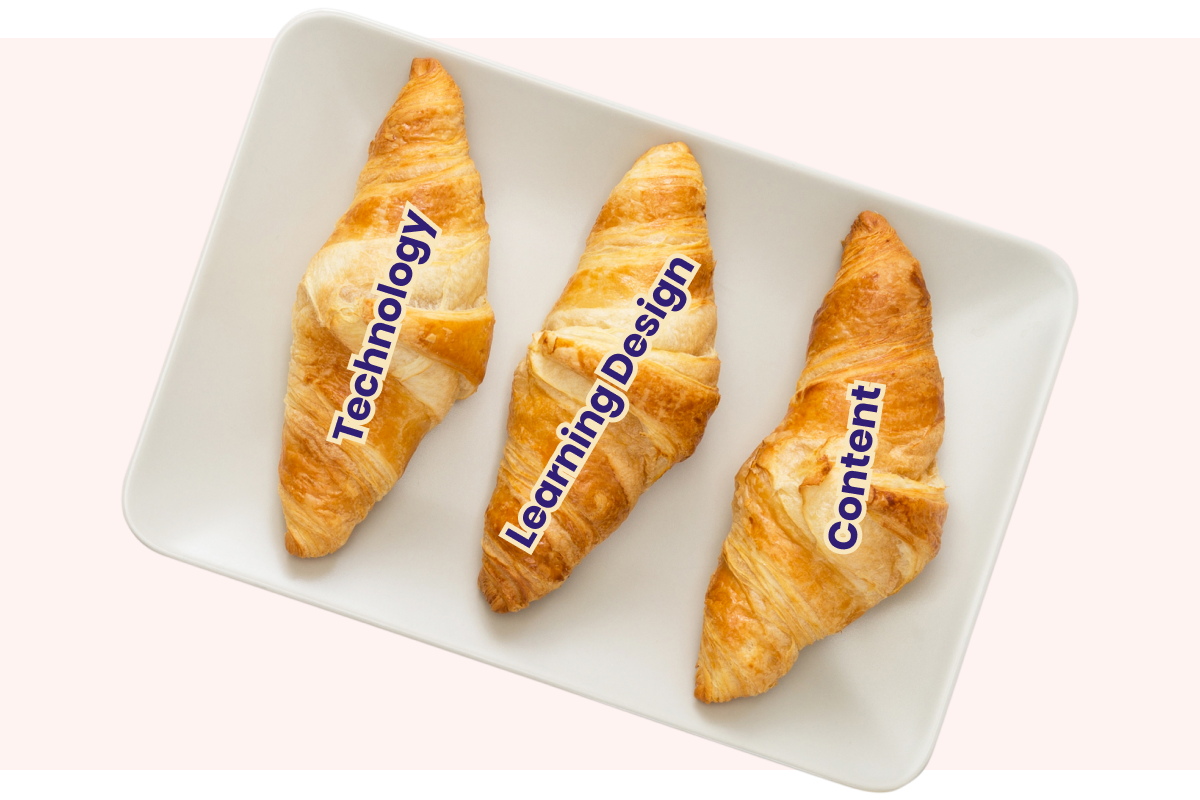
Three components of an effective e-learning
By Marko Vene
When applying technology in learning, there is a growing realization that learning is less about information and more about communication.
It leads us to another important aspect of learning: interaction. Learning takes place in the interaction between a person, the environment, and a person’s behavior.
The essence of learning is much more complicated of course, but reflection and interaction are the two most important parts of it. Understanding learning gives us hints, on how best to manage the learning process to achieve improved performance at work.
In developing e-learning there is a temptation to start with the technology and let what it provides drive the design of programs. Especially when technology, let’s say an LMS, has all the bells and whistles. So we can easily let ourselves carry away from a technological marvel. But should we?
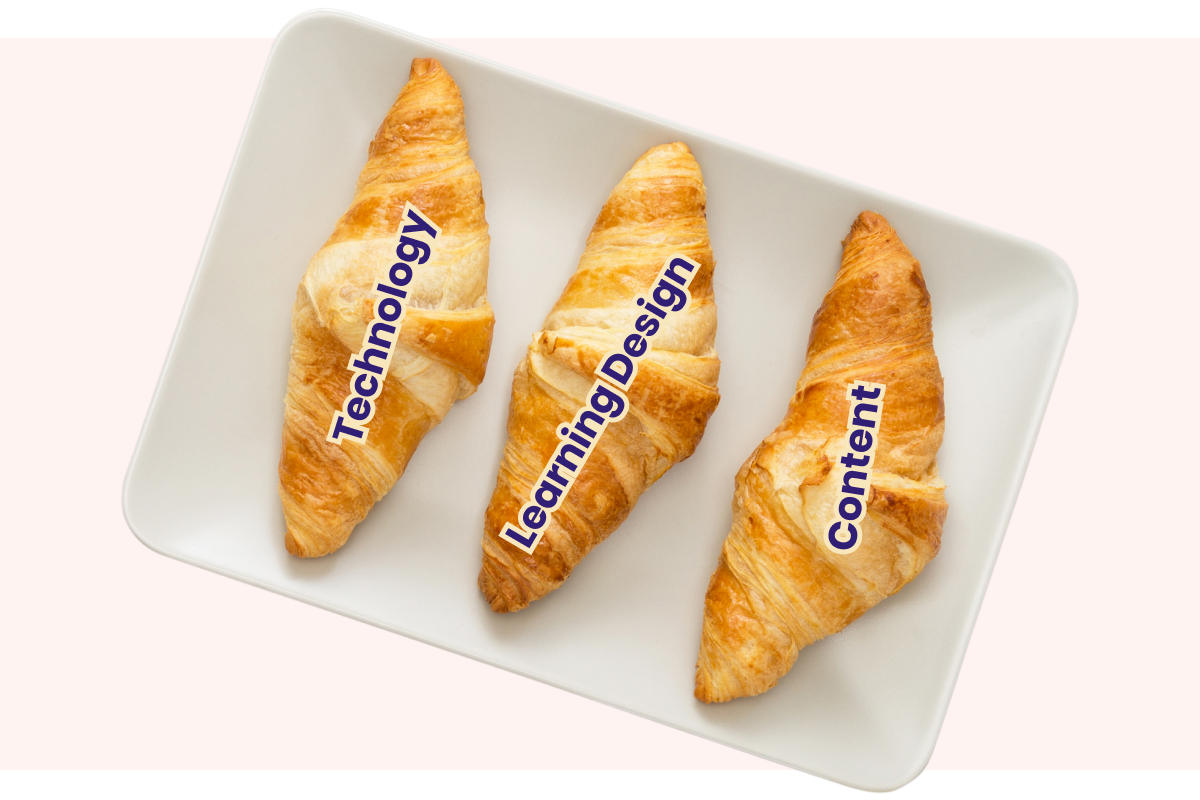
The three components of effective e-learning
Effective e-learning rests on communication over information, reflection, and interaction — learning happens in the interplay between a person, their environment, and their behavior. Start there, not with the technology, and let the design serve the learning.
Find the balance
Educationally, as we already argued, it would be better to begin by considering the learners and what is to be learned and then design technology to support learning. Technology is there to enable learning and to improve the learning experience. So, the key question is: can it make learning work better? If not, it doesn’t matter how smart the technology is or how many features it has, it’s just not appropriate.
Frequently Asked Questions
What are the components of effective e-learning?
It centers on communication rather than raw information, plus reflection and interaction. Learning happens in the interplay between a person, their environment, and their behavior, so good design supports that interaction.
Should e-learning start with the technology?
No. Starting with the tool and letting it drive the design is a common trap. Begin with how people actually learn, then choose technology that supports it.
Why is interaction important in e-learning?
Because learning is more about communication than information delivery. Interaction and reflection are what turn content into understanding and, in the end, better performance at work.