22 Feb 2022 · sven@coursy.io
3 things you need to get right when implementing an LMS
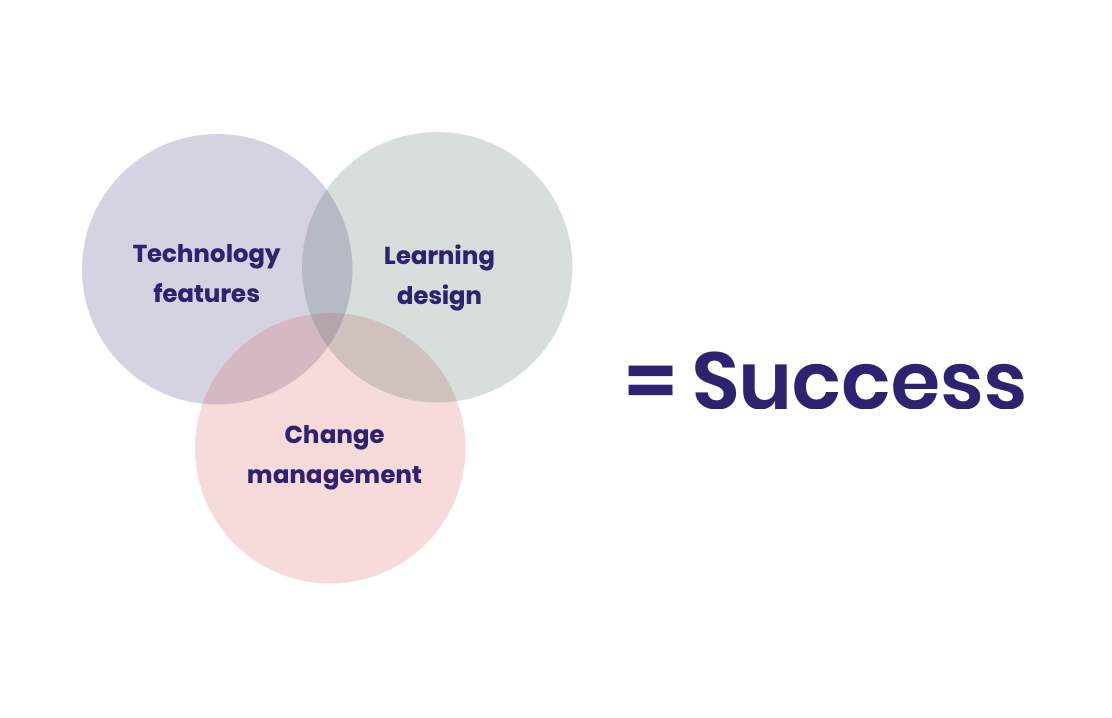
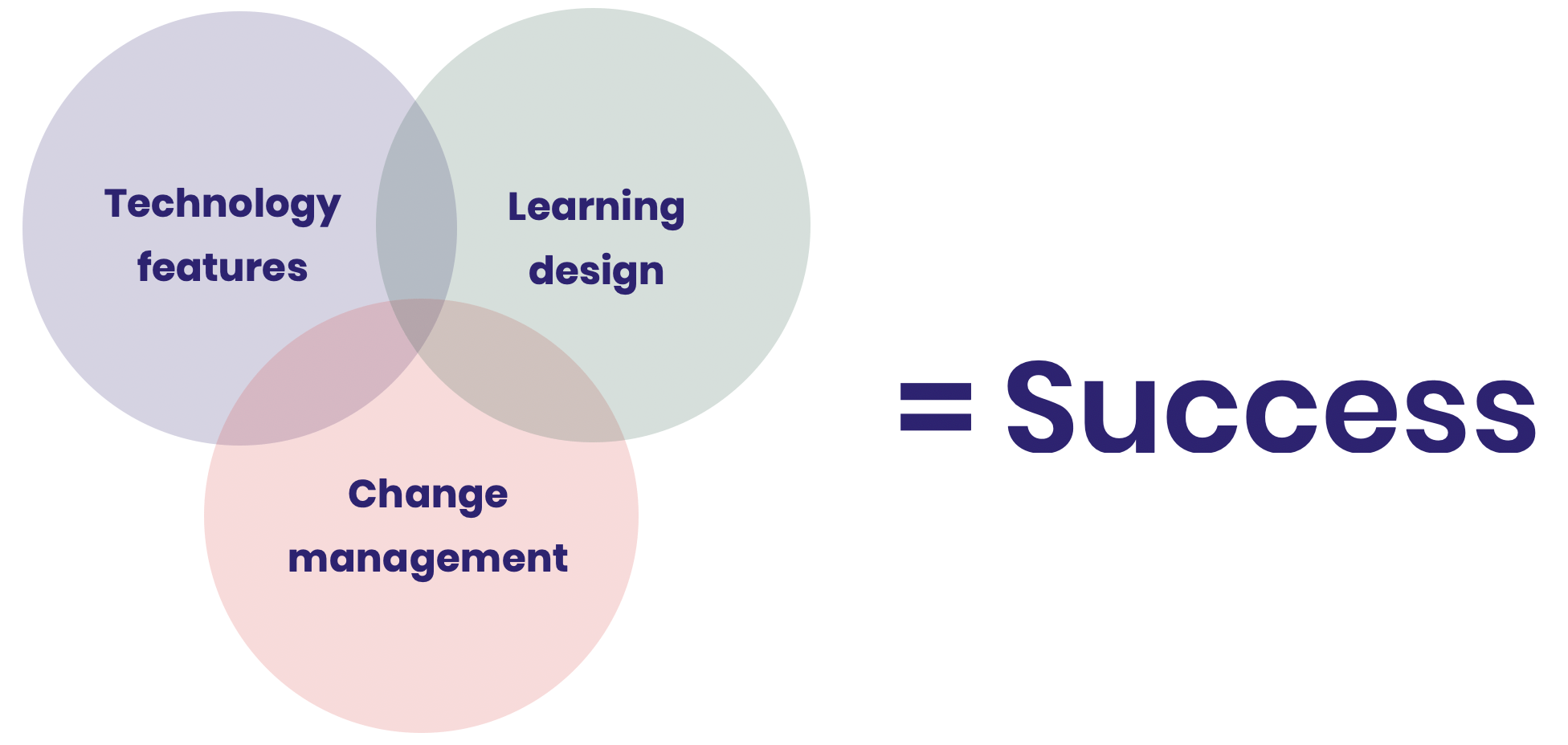
Over the 5 years of implementing Learning Management Systems (LMS) for the leading companies in Estonia and the Baltics, we at coursy.io have learned that for success, you need to get these 3 things right:
Number 1
When choosing an LMS to start with technology there are certain criteria to meet, for example:
-
LMS specialization for your use case.
-
LMS ability to provide personalized learning experiences for anyone at any time.
-
Built-in authoring tool for easy content creation.
-
Interactive video capabilities.
-
Assessment and certification features.
-
Plus there are hygiene factors like UX/UI, integrations with your HRM systems, or capabilities for Smart-ID login.
Number 2
Engage in learning design by setting the right framework to achieve desired results, create an engaging learning experience with your digital courses, and finally use all web technologies for creating the content. It is not the PDF documents or PowerPoint slides, but rather training videos and interactive content (like H5P).
Number 3
Take the LMS implementation project as a small change management exercise. That’s because IT IS a change and people don’t like change. Make a strong point on the benefits, like 3x cost savings and productivity increase, and have good communication and execution with team support.

Does all the above freaked you out? It shouldn’t because you can get experienced support from your LMS partner on all those 3 items.
Agu Remmelg, Founder & CEO
Implementation is part of every project. Learn more!
Frequently Asked Questions
What matters most when implementing an LMS?
Three things: choosing technology that fits your specific use case, designing the learning rather than uploading PDFs, and treating the rollout as a change-management project so people actually adopt it.
Why do LMS implementations fail?
Usually not because of the software. They stall when the content is just documents and slides, or when the rollout ignores the human side: communication, manager support, and clear reasons to use the system.
What should you look for when choosing an LMS?
Fit for your use case first, then personalization, a built-in authoring tool, interactive video, and assessment and certification. Check the hygiene factors too: usability, HR-system integrations, and secure login.