11 Jun 2026 · Vytautė Karpytė
What We Learned at Leading Learning 2026: L&D in Lithuania Is Growing — But Is It Growing in the Right Direction?
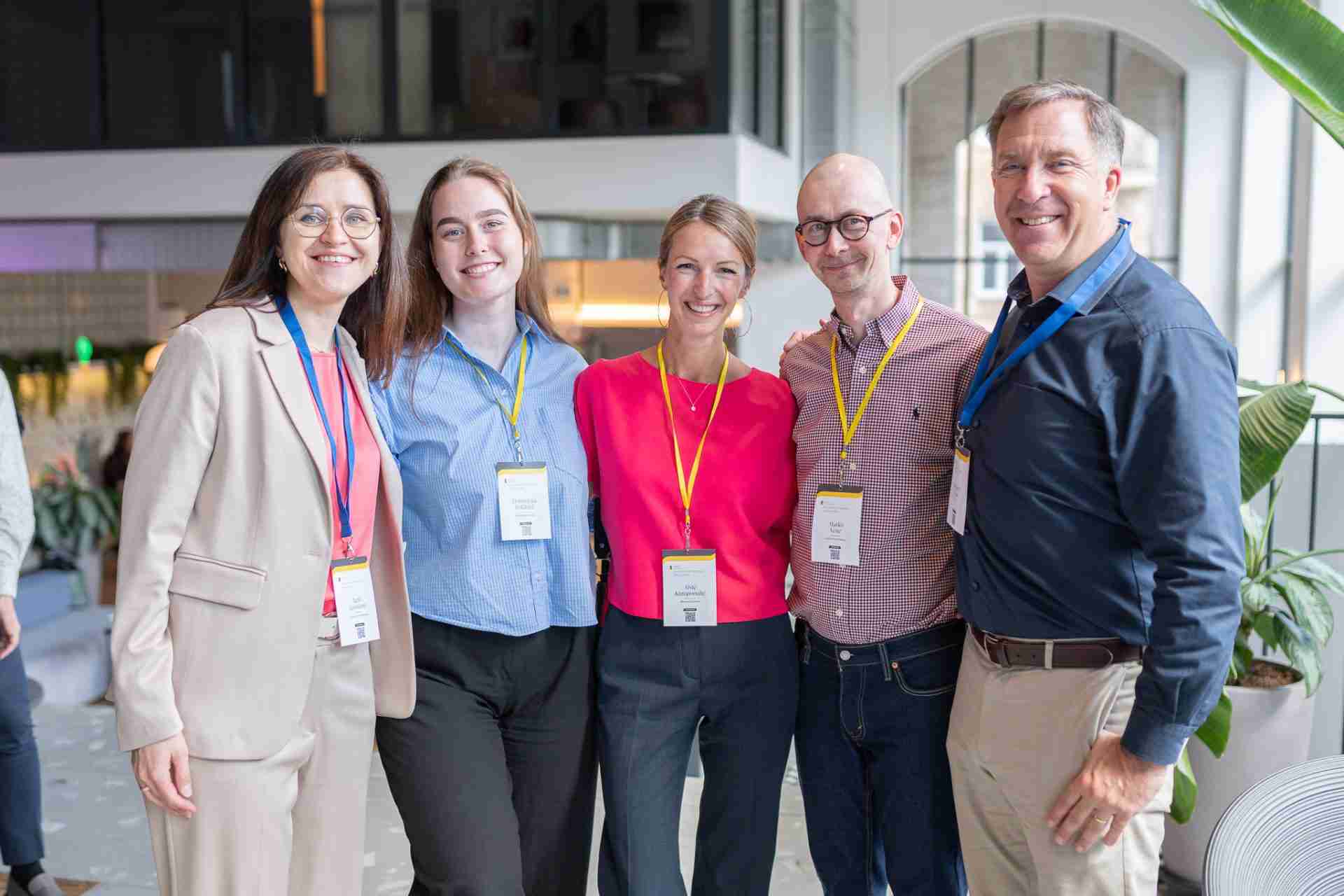
In late May, we attended the very first Leading Learning conference in Vilnius — a new event created specifically for Lithuania’s learning and development (L&D) professionals to come together and discuss not just what they do, but why they do it. This year’s event brought together local data and a global perspective, prompting an uncomfortable but important question: are we growing in the right direction?
The World Is Moving Faster Than We Think
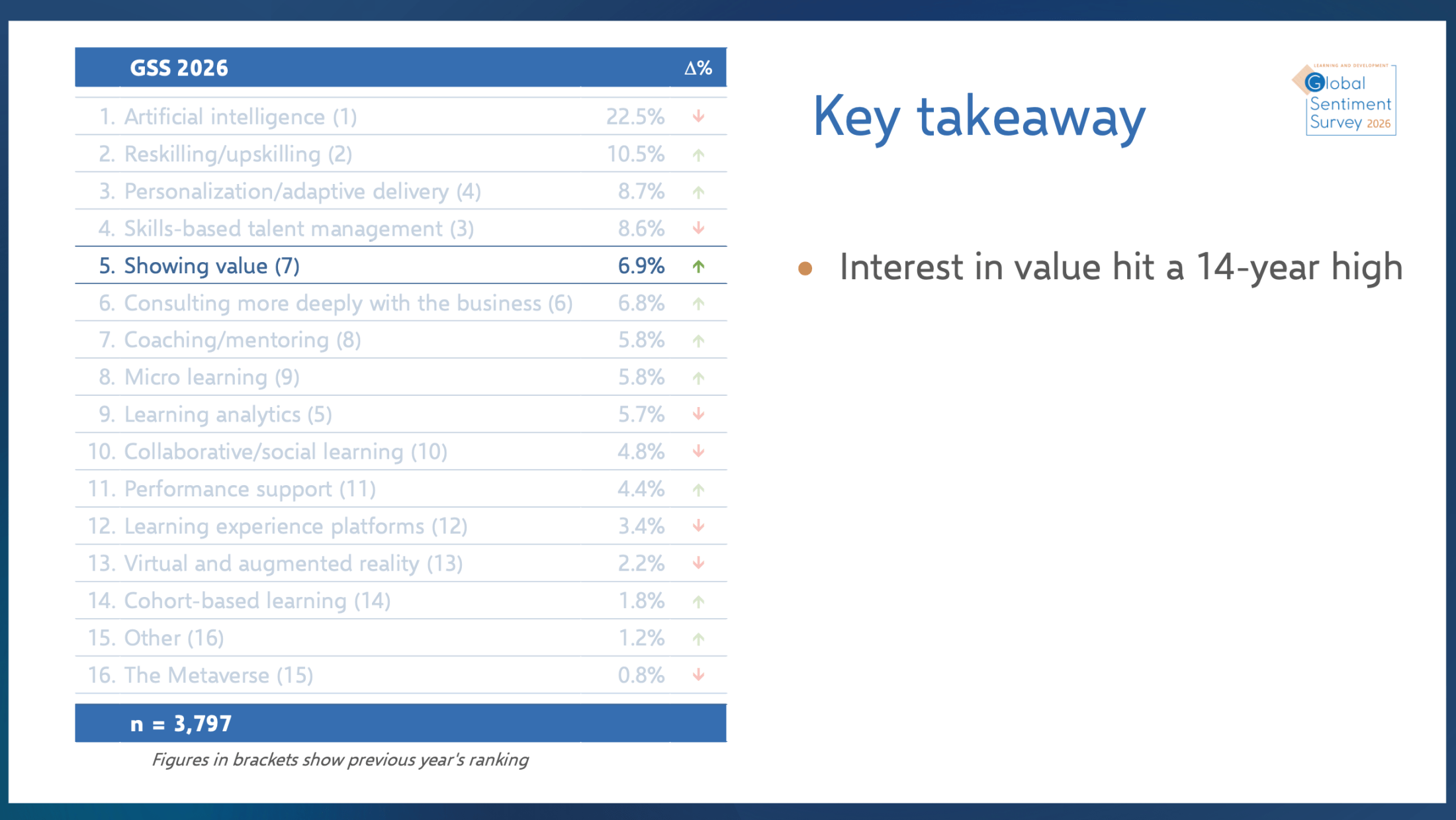
The conference’s keynote speaker, Donald H. Taylor — one of the most influential L&D researchers in the world — arrived with a clear message: the L&D function can no longer afford to be just a course creator. Data from the Global Sentiment Survey 2026, which gathered responses from nearly 3,800 professionals across 105 countries, shows that artificial intelligence remains the top trend — but interest in demonstrating L&D value is rising fast, reaching its highest point in 14 years.
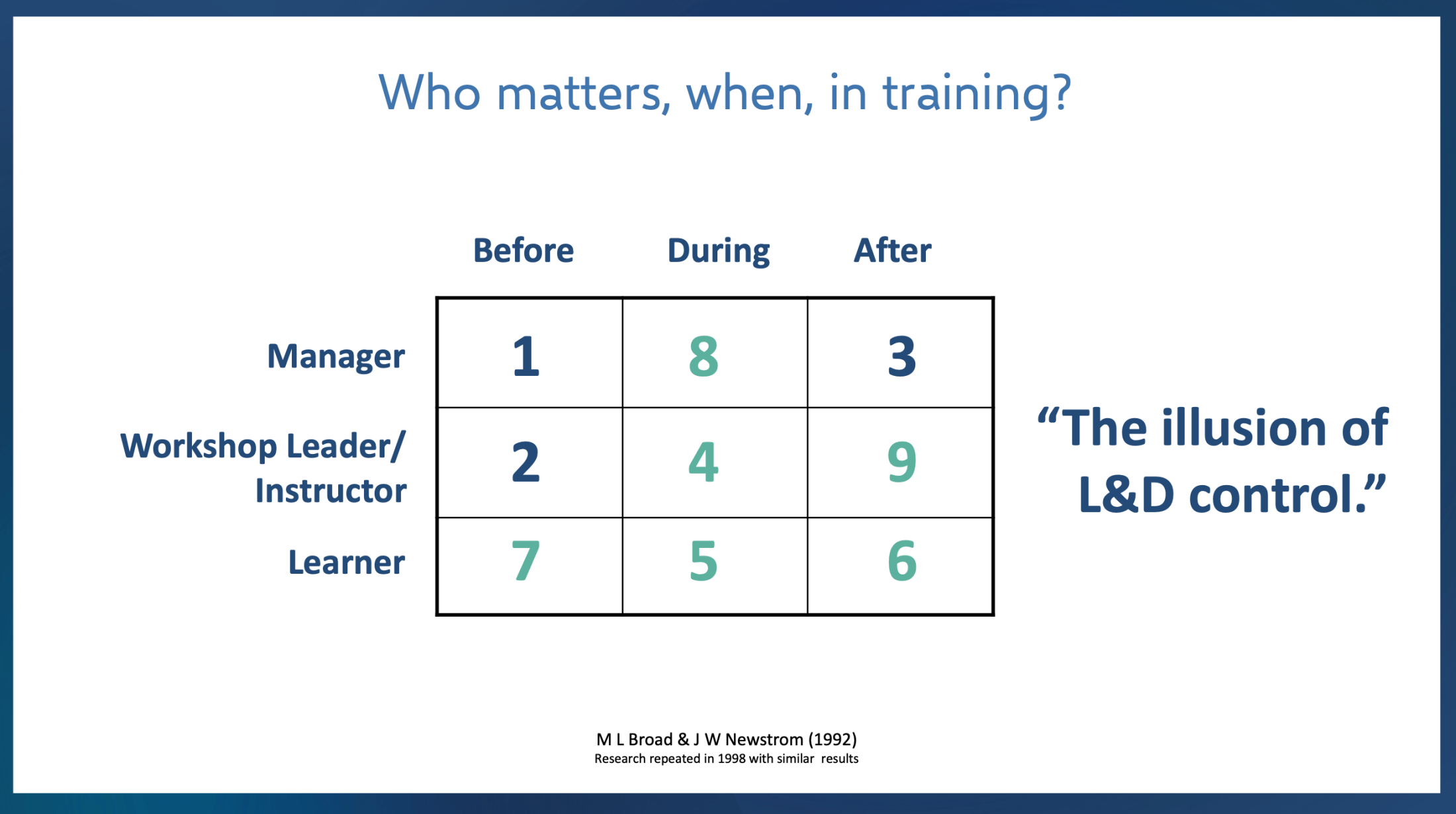
Taylor’s message was simple but provocative: many organisations still believe that L&D impact begins and ends in the training room. Yet research shows that the manager’s role — before, during, and after learning — is the decisive factor in whether knowledge actually translates into behavioural change on the job. What he called “the illusion of L&D control” is one of the core reasons organisations invest in training but see no results.
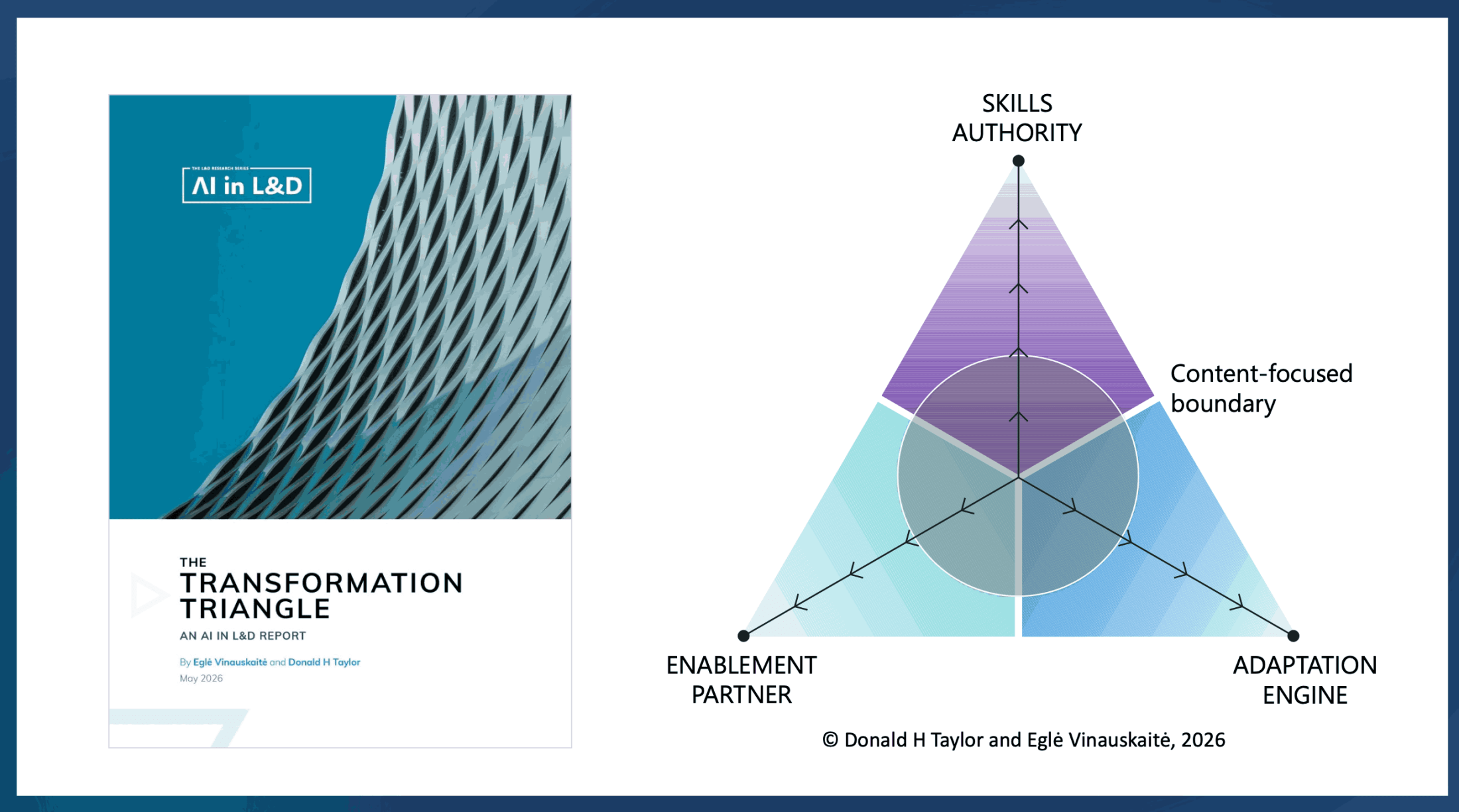
Taylor also introduced a new framework — the Transformation Triangle — which defines three possible futures for L&D: Skills Authority, Enablement Partner, and Adaptation Engine. All three share one principle: a successful L&D function is no longer a content producer — it is a business partner.
Lithuania Is Growing — But the Gap Remains
Agnė Ignotienė from E. mokymo sprendimai presented results from the five-year “Learning Plans and Priorities” study, conducted together with PVPA. Participation from 130 organisations — 20% more than last year — signals growing interest in the field. And the numbers are genuinely encouraging: 78% of organisations can now say exactly how many hours their employees spent learning each year, compared to only around half five years ago.
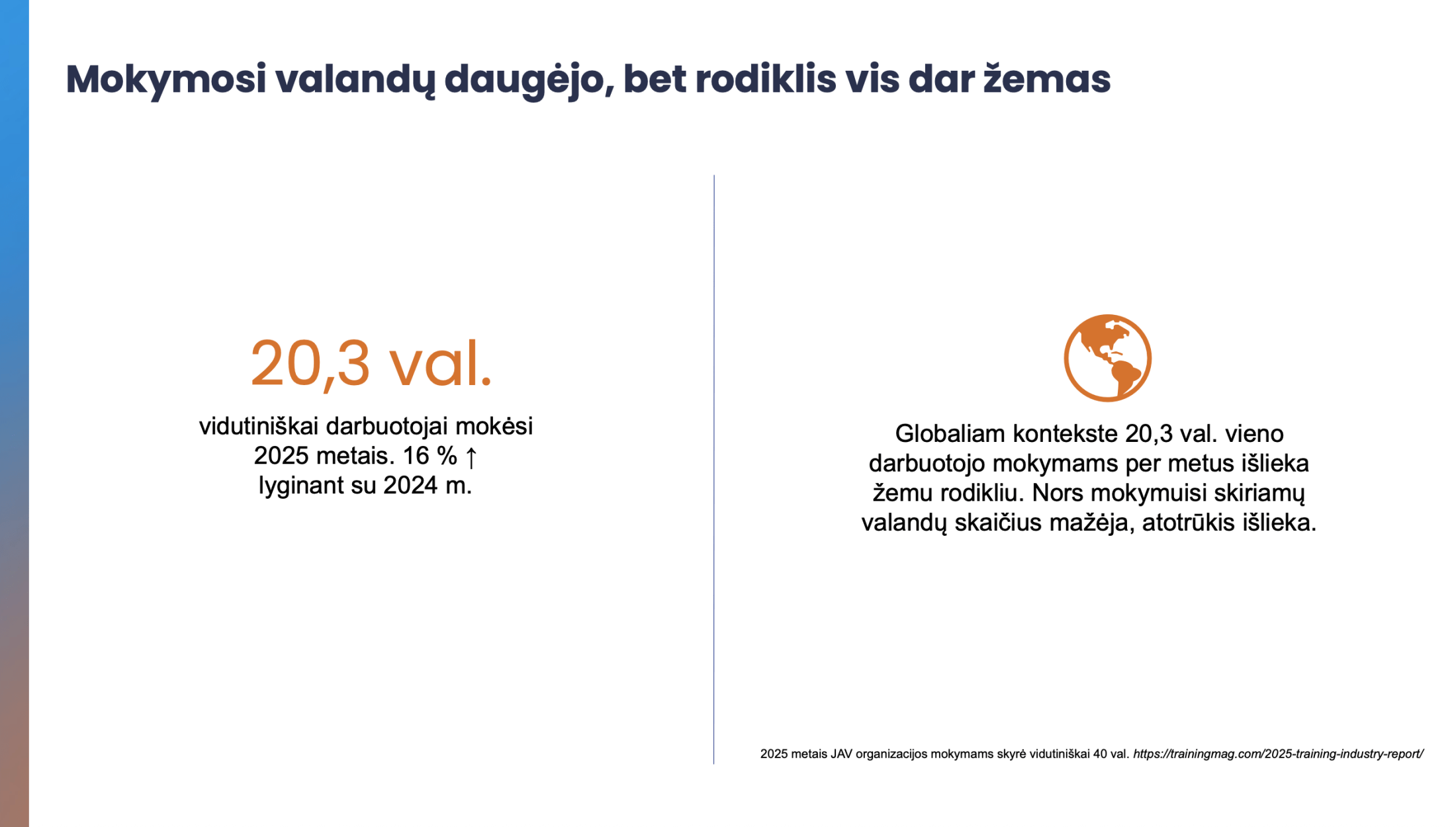
Yet one number captures the full picture: the average Lithuanian employee learns for 20.3 hours per year. The US average is 40 hours. That is not a small gap, and it is closing slowly.
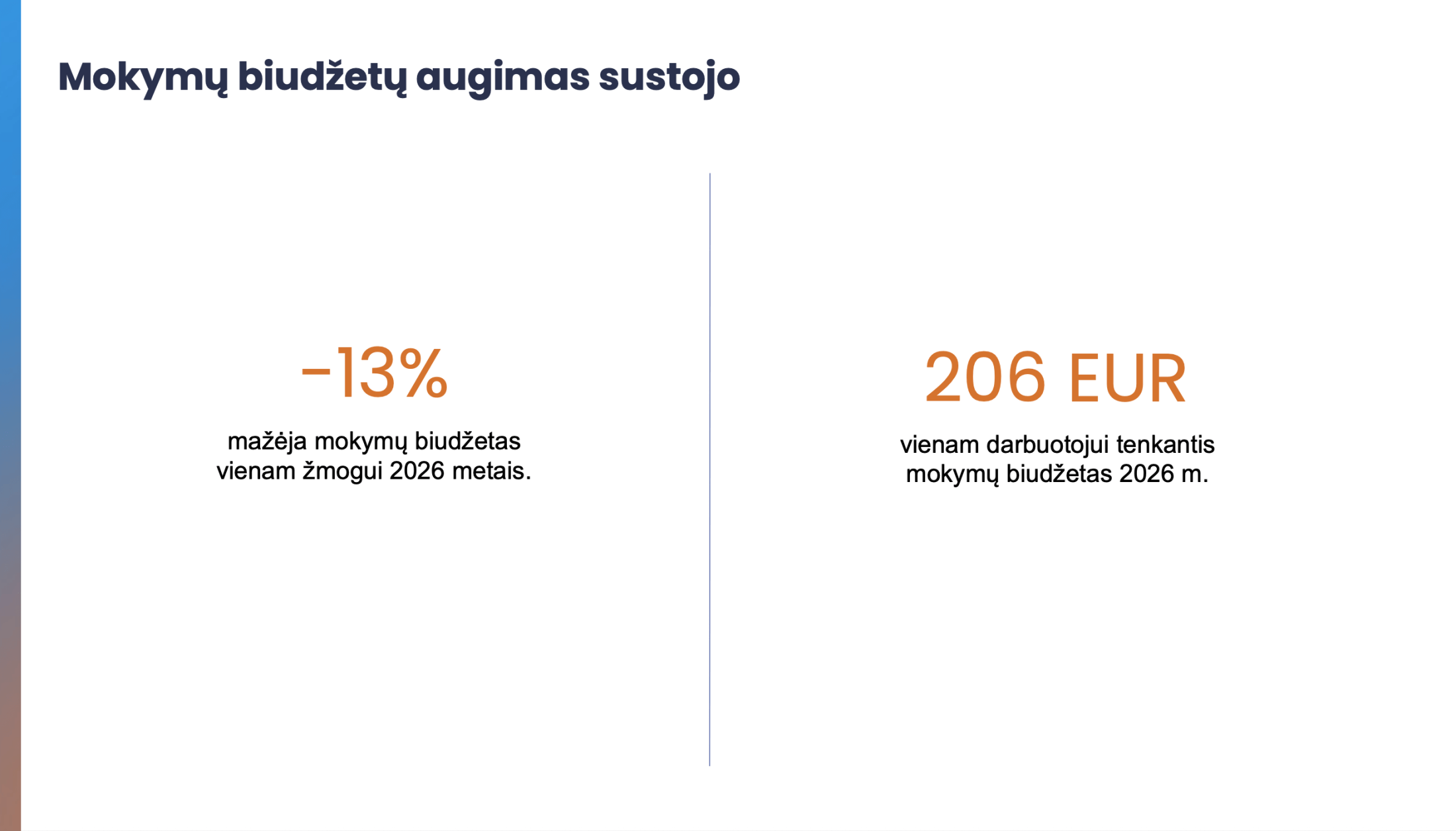
Another cautionary signal — the training budget per employee in 2026 stands at just €206 and is declining by 13%. The cost per learning hour has also dropped, and while this might look like efficiency, the study’s authors raise a valid question: is this strategic efficiency, or simply pressure to do things cheaper?
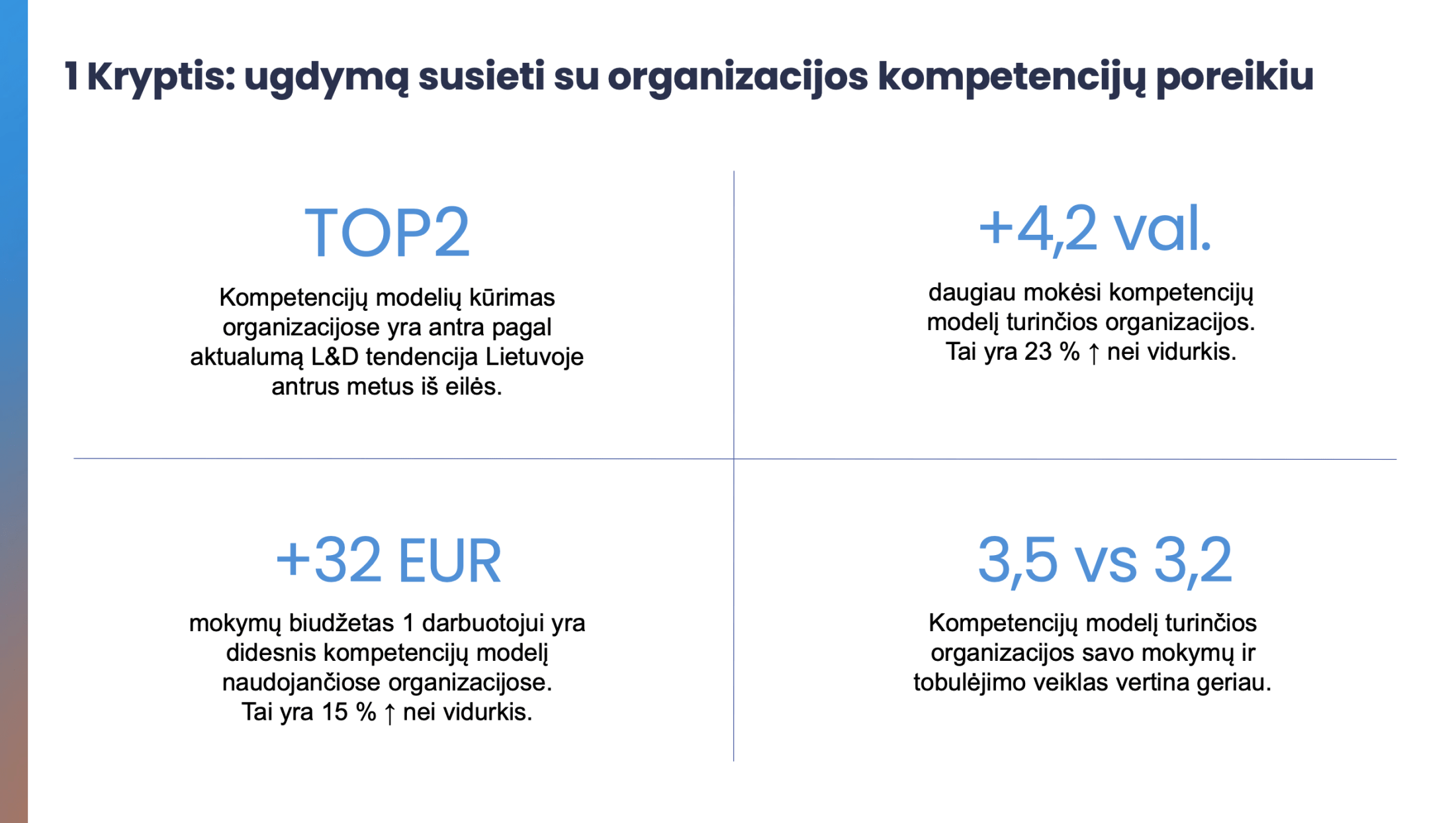
The good news — organisations with a competency model in place learn 23% more than average and rate the quality of their learning activities higher. This points to a clear direction: learning must be connected to organisational strategy, not exist in isolation.
What Does This Mean in Practice?
Beatričė Gražienė from FranklinCovey Lithuania opened the conference with a fundamental reminder: every organisation is a learning system — and the question is not whether to learn, but how to maintain the balance between leveraging what you already know (exploit) and building new capabilities (explore). Especially when McKinsey data shows that 86% of leaders feel their organisations are not ready for AI integration in everyday work.
The three speakers addressed different topics, but their messages converged into one: over the past five years, we have learned how to organise learning better. Now it is time to learn how to create impact with it.
At Coursy.io, we believe technology can help take this next step faster — tracking learning data, spotting trends, connecting learning to business goals. But most importantly, organisations need to ask themselves Taylor’s question: is our L&D function creating value — or just creating courses?
This article was written based on presentations delivered at the Leading Learning 2026 conference.