20 Jan 2023 · sven@coursy.io
Improve the Quality of Your Courses with Effective Color Use
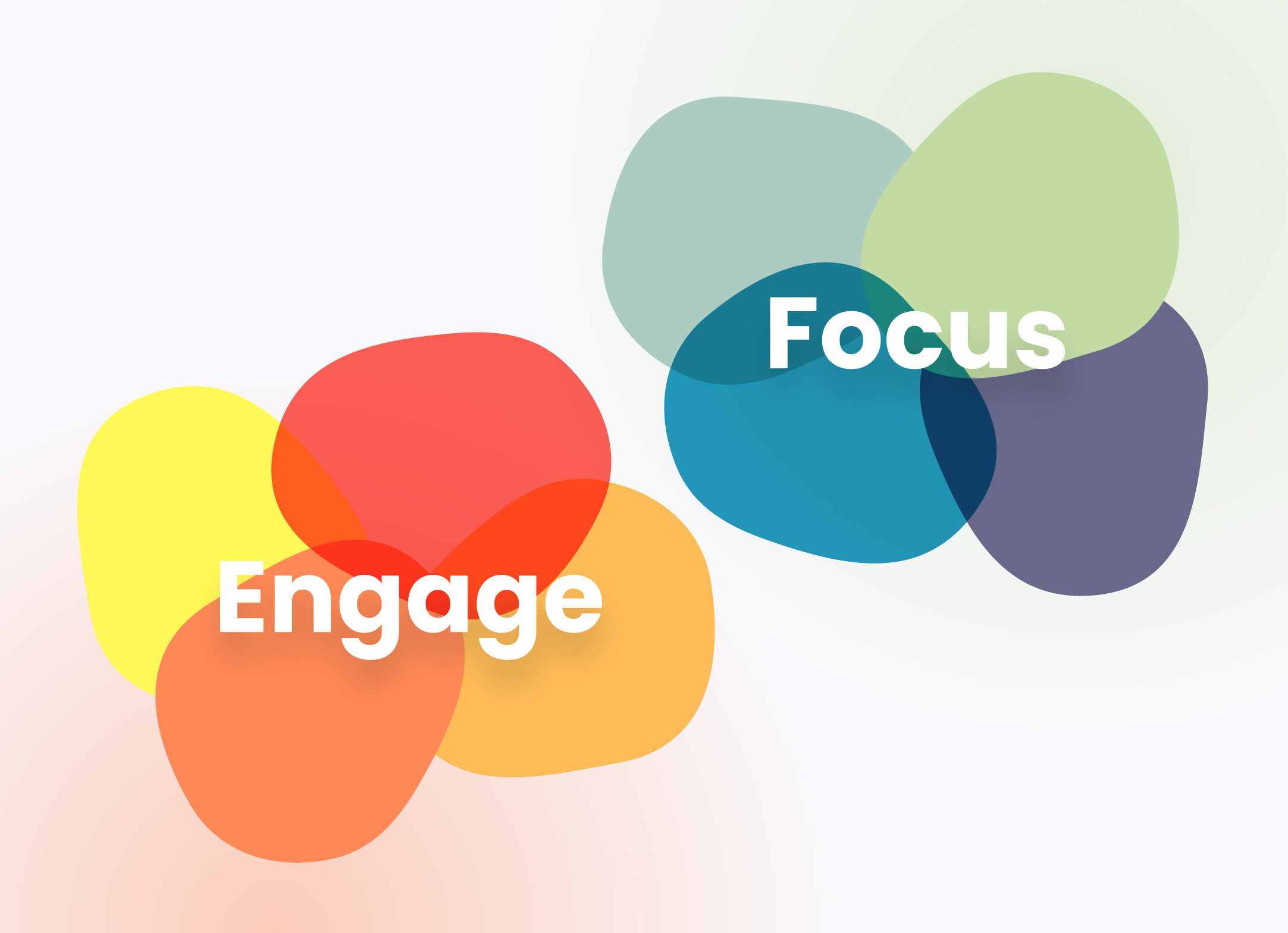

Color is more than decoration in your e-learning courses—it’s a cognitive tool that directly impacts how employees absorb, process, and retain information. Research consistently shows that strategic color use can improve learning outcomes by up to 75%. Yet many course creators overlook this powerful element, missing opportunities to create more effective training experiences.
What you’ll learn:
- How color affects attention, motivation, and information retention
- Which colors work best for different types of learning content
- Practical color combinations for e-learning design
- Common mistakes to avoid when using color in courses
Color and Attention: Grab Focus Without Overwhelming
One of the most important ways that color affects learning is through its ability to grab attention. Certain colors, such as red and yellow, are known to grab attention and hold it longer than other colors. This can be beneficial in highlighting important information or drawing attention to key concepts in your online courses.
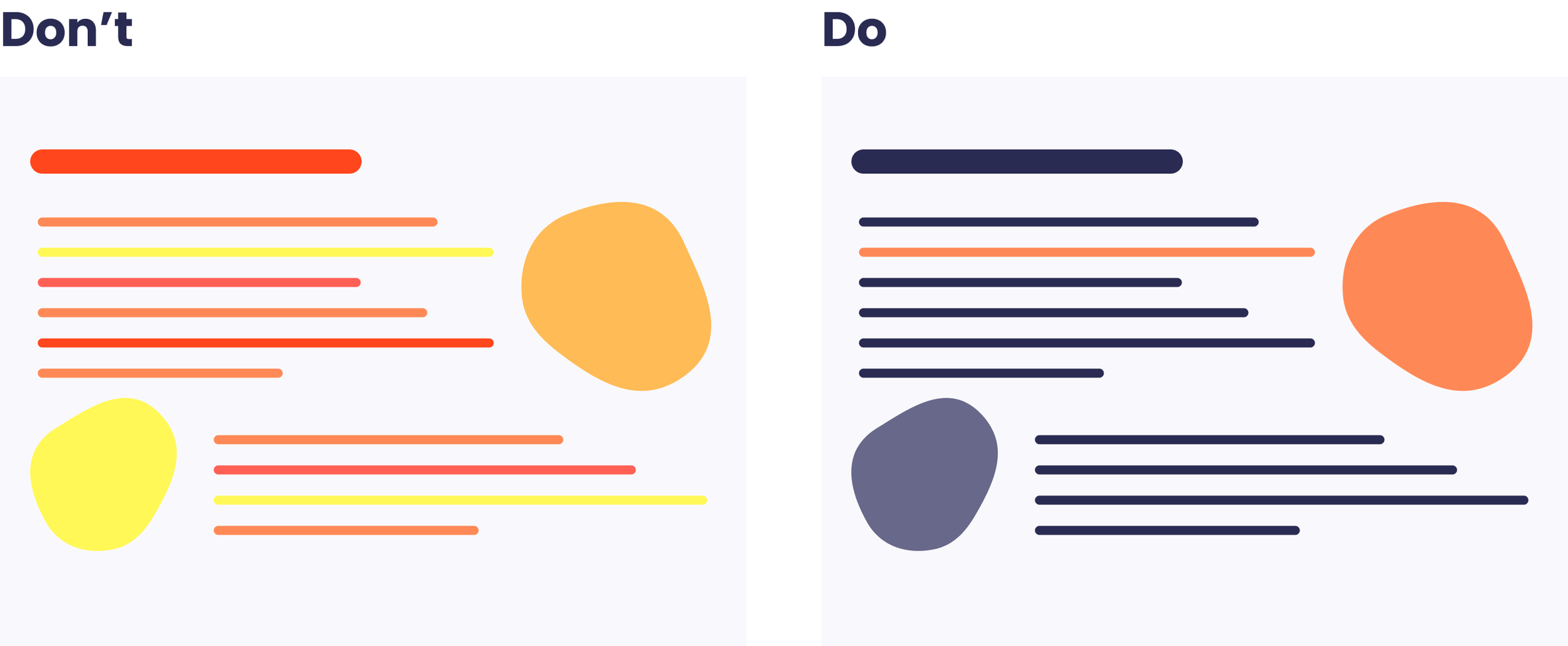
However, too much use of high-contrast colors such as red and yellow can also cause visual fatigue, making it difficult for learners to focus and retain information. Studies show that prolonged exposure to highly saturated warm colors can increase stress levels and reduce reading comprehension. This is why it is important to use color thoughtfully and in a balanced manner, taking into account the goals of the course and the emotions you want to evoke.
Color increases brand recognition by up to 80% and improves readership by 40%.
— Colorcom Research
Color’s Impact on Motivation and Engagement
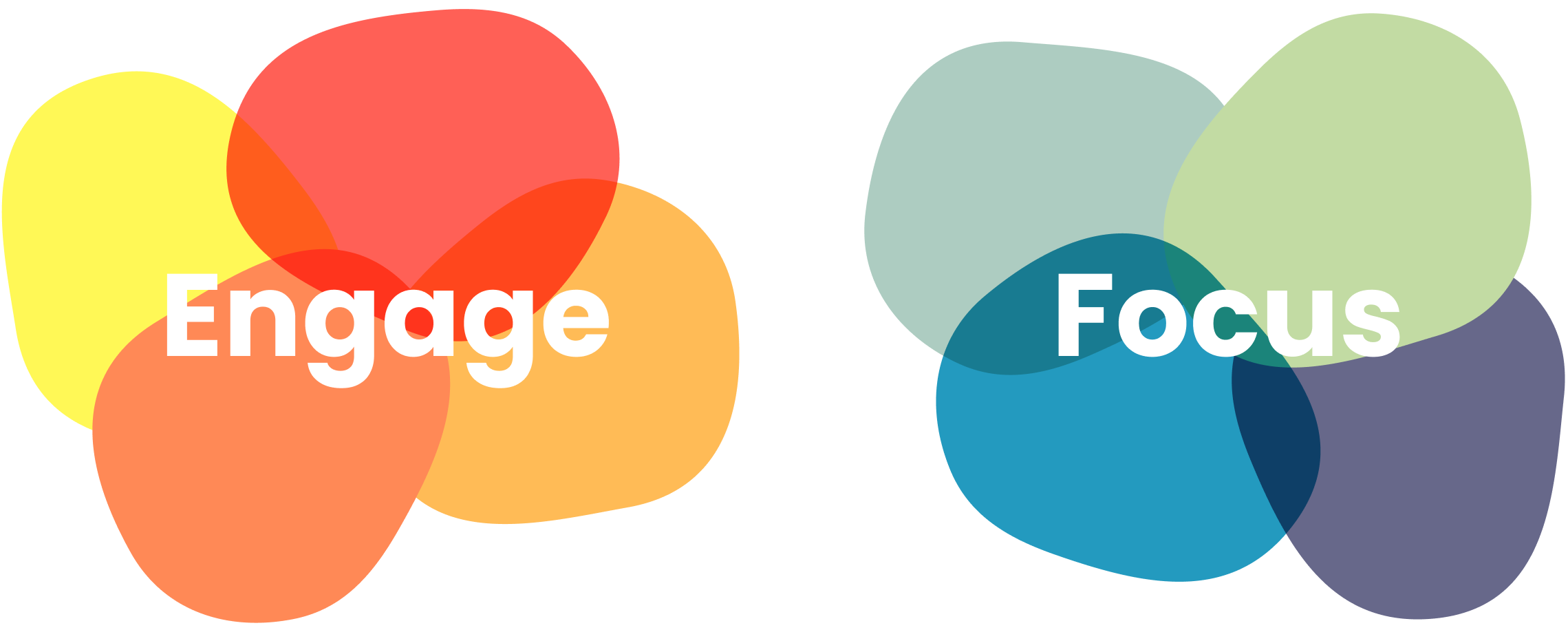
Warm colors, such as red, orange, and yellow, are often associated with excitement and energy, which can help to increase learner engagement and motivation. On the other hand, cool colors, such as blue and green, are often associated with calm and serenity and can help to create a more relaxed and focused learning environment.
This psychological effect is well-documented in color psychology research. Blue, in particular, has been shown to enhance creative thinking and is often used in learning environments that require problem-solving. Green reduces eye strain and promotes a sense of balance, making it ideal for longer learning sessions. Understanding these effects helps you motivate employees to learn more effectively.
How Color Improves Information Retention

Research has shown that learners are more likely to remember information presented in color, compared to information presented in black and white. A study published in the Journal of Experimental Psychology found that color can improve memory performance by up to 78%. This is because color helps to organize and categorize information, making it easier to understand and remember.
For example, using different colors to highlight key points and important information can help your learners identify and remember the most important content. This technique, known as color coding, leverages the brain’s natural ability to create associations. When building courses in your LMS, consider creating a consistent color system that employees can learn to recognize.
Combining Color with Visual Aids
Using color in combination with other visual aids such as diagrams, illustrations, and images can significantly enhance learners’ ability to understand and remember information. Color-coded diagrams and illustrations help explain complex concepts by making relationships between elements visually clear.
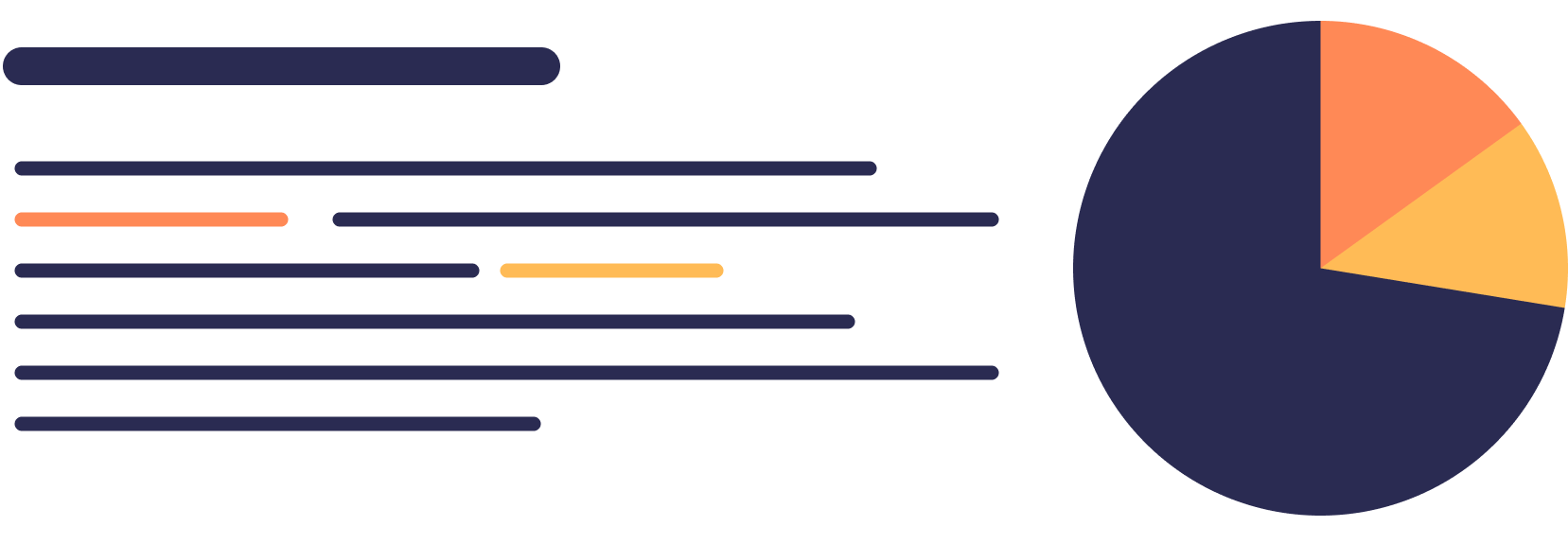
The key is consistency. When you establish a color system—such as using green for correct answers, red for warnings, and blue for additional information—learners develop automatic associations that speed up comprehension. This is one of the principles behind what makes e-learning effective.
Using Color to Differentiate Learning Materials
Color is particularly effective for differentiating materials. By using different colors to represent different categories of information, learners can easily identify and recall content. This approach helps separate facts from myths and main ideas from supporting details.

For example, if a learner associates the color blue with a specific concept, they will be more likely to recall that concept when they see the color blue again. This technique is especially valuable in compliance training or technical courses where precise recall matters. Companies embracing digital learning can leverage these strategies to improve training outcomes.
Color Accessibility: Don’t Forget Colorblind Learners
While color is powerful, approximately 8% of men and 0.5% of women have some form of color vision deficiency. When designing e-learning content, always ensure that color is not the only way to convey important information. Combine color with text labels, patterns, or icons to make your content accessible to all learners.
Additionally, maintain sufficient contrast between text and background colors. The Web Content Accessibility Guidelines (WCAG) recommend a contrast ratio of at least 4.5:1 for normal text. Many LMS platforms, including Coursy, support accessibility features that help you create inclusive learning experiences.
Conclusion: Put Color Psychology to Work
Color is a powerful yet often underutilized tool in e-learning design. By understanding how color affects attention, motivation, retention, and recall, you can create more engaging and effective online courses. Remember these key principles:
- Use warm colors sparingly to highlight critical information without causing visual fatigue
- Apply cool colors for content requiring sustained focus and concentration
- Create consistent color coding systems that learners can recognize across courses
- Combine color with other visual elements for maximum impact
- Always consider accessibility to ensure all employees can benefit from your training
The thoughtful use of color can transform an ordinary course into an engaging learning experience that employees actually remember. Start implementing these strategies in your next course and measure the difference in completion rates and knowledge retention.
Ready to create visually engaging courses that drive results? Book a demo with Coursy and see how our platform makes it easy to build effective e-learning experiences.
Want to dive deeper into color psychology for learning? Here are some research-backed resources:
The Impact of Colors on Learning
Colour in Learning: Its Effect on the Retention Rate of Graduate Students
Colour and learning under microscope
How Color Affects Student Learning
6 Ways Color Psychology Can Be Used to Design Effective eLearning